
Will AI replace fashion designers? Not in the way the headlines suggest. AI is already changing how designers research, sketch, sample and sell, and it will take over a growing share of repetitive studio tasks. What it does not do well is the core of the job: deciding what is worth making, reading the cultural moment, fitting clothes to real bodies and building a brand people trust. Designers who use AI as a tool, while keeping judgment for themselves, are far more likely to gain from it than lose to it.
What AI already does in fashion
Most of what AI does in fashion today is assistance, not authorship. The common uses look like this:
- Moodboards and image generation. Tools can produce dozens of visual directions in minutes, which speeds up early exploration.
- Quick sketches and variations. A rough silhouette can be spun into colour and print variations far faster than by hand.
- Trend research. Software can sort huge volumes of social posts, search data and sales signals, though it tells you what is already happening rather than what should happen next.
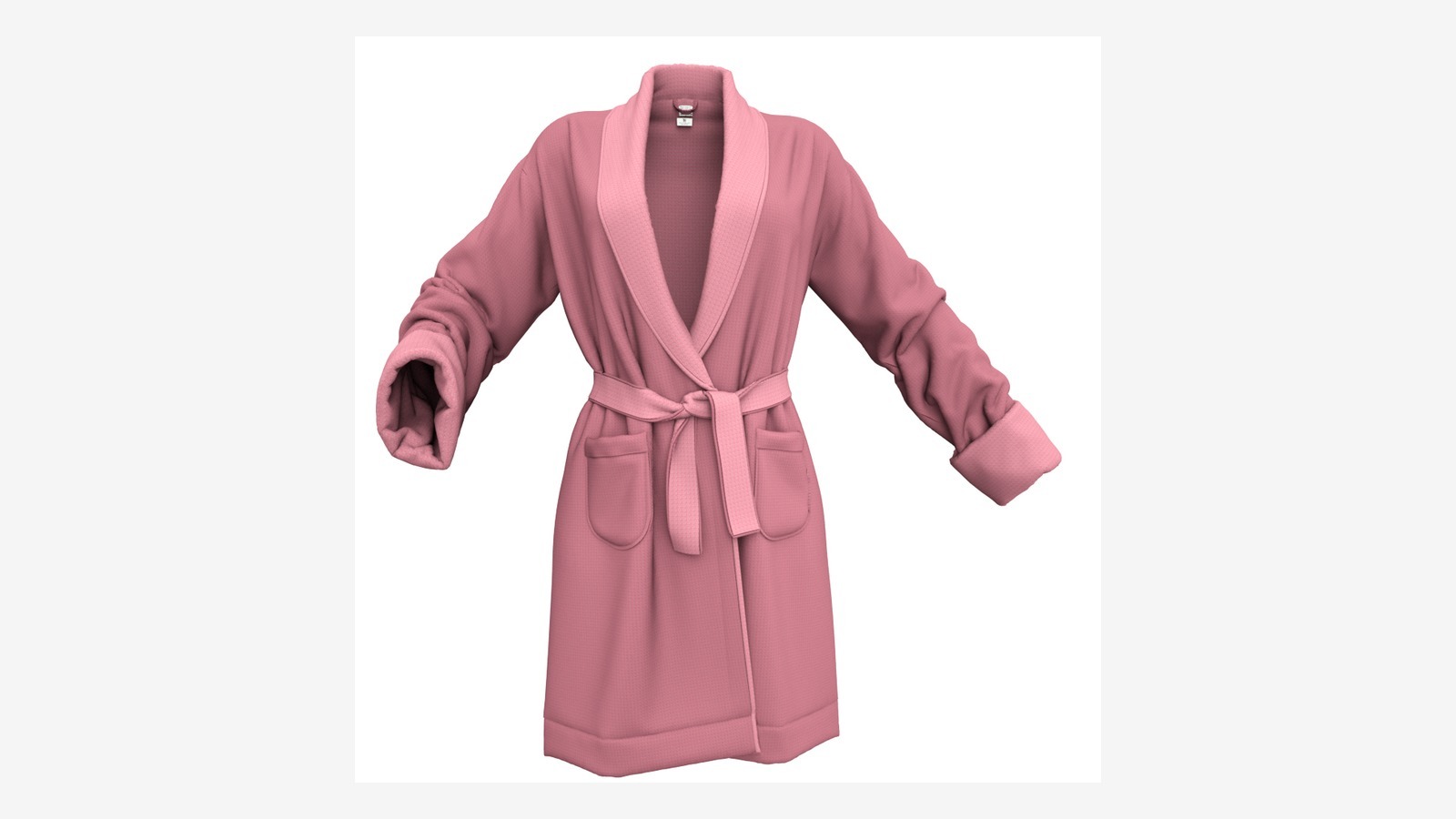
- 3D design and virtual sampling. Programs such as CLO 3D and Browzwear let teams test drape and fit digitally before cutting fabric, and AI features are being added on top.
- Tech pack and admin help. Drafting measurement notes, product descriptions, emails and size charts.
- Marketing copy and imagery. Captions, product text and, increasingly, generated campaign visuals.
None of these remove the designer. They compress the time between an idea and a testable version of it. That is useful, but it also means the idea itself becomes the scarce part.
What still needs a human designer
AI learns from what already exists. Fashion, at its best, is about what does not exist yet. Several parts of the job stay firmly human:
- Taste and editing. Generating a hundred options is easy. Knowing which one is right, and cutting the other ninety-nine, is the skill.
- Cultural timing. Understanding why a reference feels fresh now, or tired, depends on living inside a culture, not averaging it.
- Fit and the body. Clothes are worn by people who move, sit and sweat. Fittings, fabric handling and pattern decisions still happen in the studio.
- Brand voice. A coherent point of view across seasons is what makes a label recognisable. Generic output tends to look generic.
- Relationships. Factories, pattern cutters, stylists, buyers and customers work with people they trust.
- Original risk. The collections people remember usually broke a rule. Models trained on the past are built to predict the likely, not the unexpected.

Which fashion jobs will survive AI?
It is more honest to talk about tasks than whole jobs. Almost every role will change; some will change more than others.
More exposed: roles built mainly on repeatable output, such as basic product description writing, simple graphic and print variations, routine trend reporting, catalogue retouching and some entry-level CAD or admin work. These tasks will not vanish overnight, but fewer people may be needed to do them.
More resilient: creative direction, design leadership, pattern cutting and tailoring, fit technology, textile development, sourcing and production management, styling, buying with a strong point of view, and any role that depends on relationships or physical craft. Jobs that combine creative judgment with fluency in new tools may actually grow.
If you are still deciding which direction to take, our guide on how to start a career in fashion maps the main paths.
How students and emerging designers should adapt
- Learn the tools early. Get comfortable with 3D design software and image tools so they feel like part of your kit, not a threat.
- Do not outsource your judgment. Use AI to explore, then make the decisions yourself. Your portfolio should show how you think, not just what a prompt produced.
- Invest in what machines cannot fake. Pattern cutting, fabric knowledge, draping and fittings make you harder to replace.
- Build a clear point of view. A recognisable perspective is your best protection against generic output.
- Be transparent. If you use AI in your process, say how. Schools, clients and customers increasingly care.
Many schools are already adding digital design and 3D modules to their courses. You can compare programmes in our Fashion Schools Directory and our list of the best fashion schools in the world. If you are weighing whether formal study is worth it at all, read do you need fashion school to work in fashion? and how to get into fashion school.
What fashion could look like by 2030
Predictions should be held loosely, but a few directions are already visible. Digital sampling is likely to become standard in larger companies, cutting down on physical prototypes. Smaller teams will be able to do work that once needed a full department, which could help independent labels compete. Generated imagery will become common in marketing, and that may make real craft, real bodies and real stories more valuable by contrast. Questions about copyright, training data and disclosure will keep shaping what brands can use.
Looking further out, to 2050 and beyond, nobody can say with confidence. What has held through every earlier shift, from the sewing machine to e-commerce, is that new tools changed who does what, while the need for people with taste and vision stayed.
FAQ
Will AI replace fashion designers completely?
Unlikely. It will automate parts of the process, but deciding what to make, and why, remains human work.
Should fashion students use AI?
Yes, as a tool for research and exploration. Keep the creative decisions, and the skills behind them, your own.
Which fashion skills are most future-proof?
Creative direction, pattern cutting, fit, textile knowledge, production and any role built on a strong point of view or trusted relationships.
Keep exploring
Cover: Digital 3D clothing model. Source: CG Elves via Wikimedia Commons (CC BY-SA 4.0), cropped to landscape for editorial use.


