
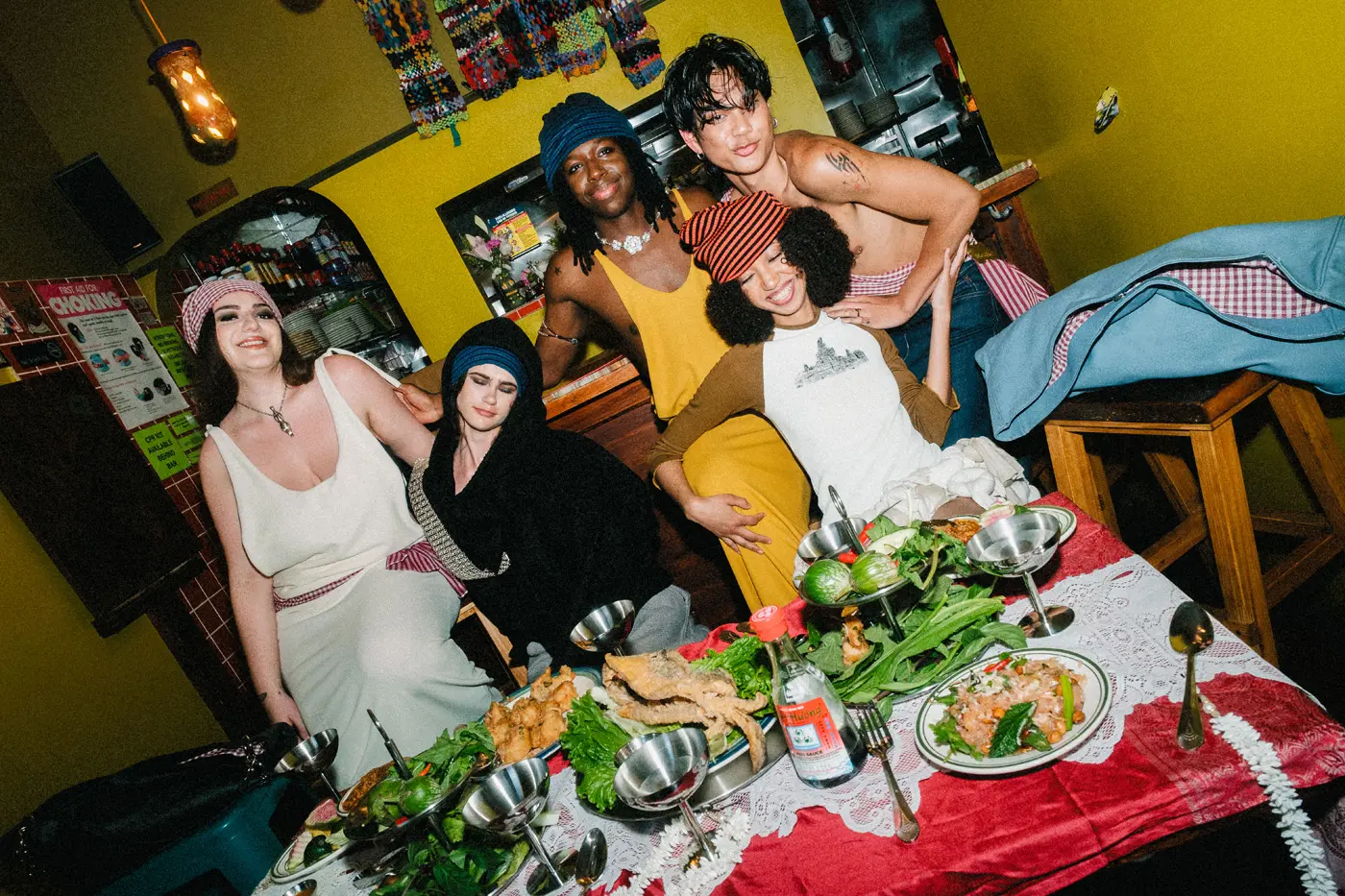
Every season, The Vanilla Issue hears from designers who have just graduated, finished a first capsule or quit a studio job to go it alone. The question is almost always the same: how do you actually start a fashion brand? There is no single route, but there is a sequence that most successful independent labels follow. This guide walks through it, step by step, for designers launching in 2027.
1. Define what your brand stands for
Before fabric, before a logo, before a website, you need a point of view. Ask yourself three things: what do you make, who is it for, and why would they choose you over everyone else? The strongest emerging labels we feature can answer this in one sentence. Some are built around a personal story, a heritage craft or a material obsession. Others are built around a customer whose needs nobody else is meeting.
Write your answer down and test it against every decision that follows. If a design, a collaboration or a sales channel doesn’t fit, it probably doesn’t belong in your first collection.
2. Start small with a focused first collection
Many new designers try to launch with a full runway-sized collection. It is expensive and rarely necessary. A tight capsule of a few strong pieces is easier to sample, produce, photograph and sell, and it tells buyers and editors exactly who you are. You can grow the range once you know what sells.
3. Sort out sampling and production early
Production is where most first-time brands get stuck. Before you commit, find out:
- the minimum order quantities (MOQs) your factory or maker needs
- how long sampling and bulk production take
- what each piece really costs to make, including trims, labels, packaging and shipping
- whether the maker can scale if an order comes in
Local makers and small ateliers usually accept lower minimums than large factories, which makes them a natural fit for independent labels. Ask other designers for introductions, visit trade fairs where you can, and always get quotes in writing.
4. Price your work properly
Underpricing is one of the most common mistakes we see. A simple starting point is to work out your full cost per piece, then build in a wholesale margin and a retail margin on top. Retailers generally need room to mark up your wholesale price, so if you sell direct and wholesale, your direct price should match the retail price a stockist would charge. That protects your relationships with shops later on.
Don’t forget the hidden costs: sampling, photography, returns, payment fees and your own time.
5. Handle the business basics
A fashion brand is a business from day one. Register it properly in your country, open a separate bank account, and check that your brand name is free to use and, ideally, to trademark in the markets you plan to sell in. Keep records of every cost and sale. If you plan to make environmental claims about your products and sell in the EU, read up on the new rules on green claims, which apply from 27 September 2026 (see our explainer on greenwashing).
6. Build your brand assets
You will need a clear name and logo, a simple website, strong product and campaign photography, a short brand story and a line sheet for buyers. Good imagery matters more than almost anything else, because it is what editors, stockists and customers see first. If budgets are tight, collaborate with emerging photographers, stylists and models who are building their portfolios too.

7. Choose how you’ll sell
Most independent brands now start with direct-to-consumer sales through their own website, social media and pop-ups, then add wholesale once they have proof that customers want the product. Each route has trade-offs:
- Direct-to-consumer: higher margins and direct customer relationships, but you pay for marketing and fulfilment.
- Wholesale and concept stores: credibility and reach, but lower margins and longer payment terms.
- Pre-orders and made-to-order: less unsold stock, which suits small-batch production.
Our guide to getting your brand stocked covers pitching boutiques in more detail.
8. Get press and build a community
Press coverage builds credibility and helps buyers find you. Start with publications that champion emerging talent, write a clear press release, and send well-lit images with credits. Competitions and prizes are another route to visibility, funding and mentoring; we have rounded up the key fashion design competitions for 2027.
Social media is where many independent labels find their first customers. Show your process, your studio and the people behind the work. Consistency matters more than polish.
9. Plan your money
Be realistic about how long it takes before a brand pays for itself. Many founders keep freelance or part-time work while they build. Funding can come from savings, pre-orders, grants, prizes, crowdfunding or investors, and each comes with different expectations. Whatever you choose, keep enough cash in reserve to pay for your next production run.
The bottom line
Starting a fashion brand in 2027 is about clarity and patience more than size. Know what you stand for, start with a focused collection, understand your costs, and build your audience one customer at a time. If you’re ready to share your work, you can submit your collection to The Vanilla Issue for a feature.


