
There is no best fashion school, only the one that fits the kind of designer you want to become. A student chasing a conceptual collection in Paris needs something very different from one who wants to cut flawless patterns for an atelier, run a production line or build a brand. This guide starts with that question, then moves to the schools, the practical checks and the country-by-country picture. To explore schools, browse the Vanilla Issue Fashion Schools Directory.
Start here: what do you want to make?
Most fashion courses lean towards one of four directions. Pick the one that sounds most like you, and the shortlist gets much smaller.
The idea-led path: build a creative voice
These courses reward research, risk and a strong point of view. Expect critiques, concept development and a lot of self-directed work. Technical teaching exists, but you are often expected to work out how to make the idea real. They suit designers who want to launch a distinctive label or move into creative direction.
What to look for: staff who are practising designers, a degree show that industry actually attends, what alumni are doing five years on, and whether there is a postgraduate route when you want to sharpen your voice.
The craft-led path: patternmaking, tailoring and construction
Patternmaking is the skill many studios quietly value most, and not every degree teaches it in depth. Some courses spend most of their time on concepts and presentation. If you want to become a pattern cutter, tailor, technical designer or atelier maker, a technical or trade-style route can serve you better, and it often costs less.
- Studio hours. Ask how many hours a week you will spend at a machine or on the pattern table.
- Where pattern cutting sits. Is it taught in every year, or only as a first-year module?
- What you graduate with. Look for courses where you cut and sew your own finished garments.
- Industry links. Ateliers, manufacturers and placements built into the course matter.

Trade, vocational and short-course routes
Long-running specialist schools and vocational colleges tend to teach technique first. Other routes include short courses at established schools, an apprenticeship with a tailor or atelier, and local technical colleges. Plenty of designers combine a technical course with a self-led portfolio, then add a postgraduate year for concept.
The textile and technology path
If fabric, knitwear, materials or wearable technology pull you in more than silhouettes, look for schools with strong textile departments, labs and industry partnerships. These courses often sit next to engineering or technology programmes, which opens up careers well beyond the catwalk.
The business and brand path
Not everyone in fashion wants to design. Styling, marketing, buying, communications and creative direction all have their own courses, often built with luxury and retail companies. Look for internships, brand projects and an alumni network in the part of the industry you want.
Not sure yet?
A foundation year or a short course is a low-risk way to test a path before committing to three or four years of fees. Several schools in the directory offer both. Looking at where working designers studied also helps: the designer directory shows the school behind each profile.
Before you commit: the practical checks
- Course type. Decide between a conceptual design degree, a technical or production-focused course, or a business and marketing route, then check how much hands-on studio time each one includes.
- Budget. Add up tuition, rent, materials and the cost of a final collection. Public universities in many countries charge far less than private fashion schools.
- Visa and language. International students need to check visa rules, work rights during study and whether the course is taught in a language they speak well.
- Portfolio. Most competitive courses ask for one. Show your process (sketchbooks, research, samples), not just finished drawings.
- The city. Internships, fashion weeks and a local scene often matter as much as the course itself.
Portfolio, cost and scholarships
Start your portfolio at least six months before deadlines and tailor it to each course. Ask every school about scholarships, bursaries and fee waivers, and check government funding in your home country. A strong public course with low fees is often a better launchpad than an expensive private name.
Check before you apply
Schools merge, rename and sometimes close, and a few well-known programmes have shut in recent years. Always confirm that a school is accredited and still taking students before you pay a deposit.
FAQ
What is the best fashion school in the world? There is no single answer. The best school is the one that fits your goals, budget and style, and the path you choose matters more than the name.
What is the best fashion school in my country? Browse the directory by country, where ★ and 👍 mark our picks.
Do I need a degree to become a fashion designer? No, but a good course speeds up your technical skills and your network. Many independent designers also learn through short courses, apprenticeships and work in studios.
Is a trade school better than a degree for patternmaking? It can be. Trade-style and vocational courses usually spend more time on technique, which is what a pattern cutter, tailor or technical designer needs. A degree can open more doors for design roles and, in some countries, for visas, so check how each qualification is recognised where you want to work.
Can I try fashion before committing to a degree? Yes. A foundation year or a short course is a cheap way to test which path suits you. Many schools offer both, and the directory shows which.
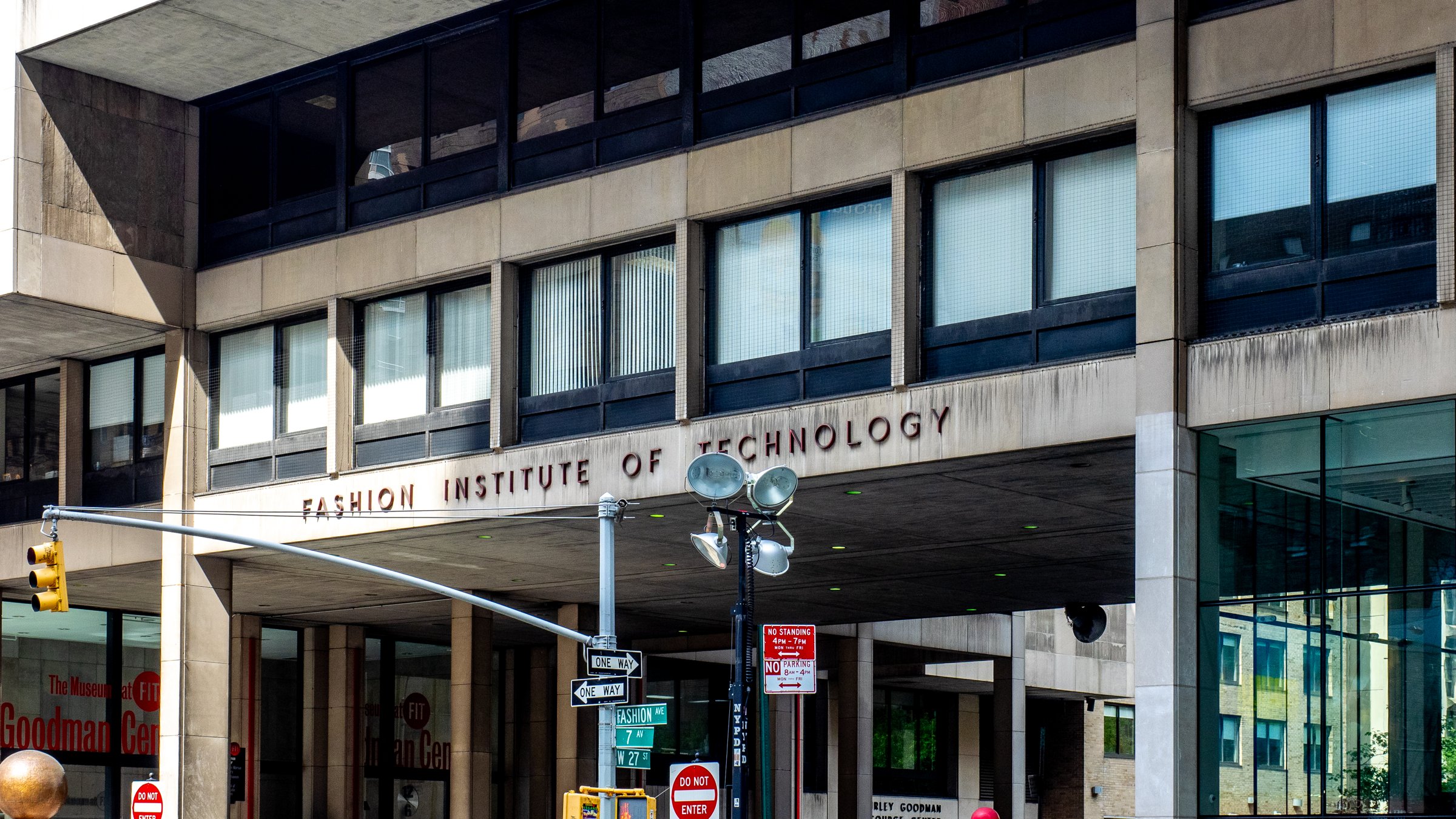
Cover: Fashion Institute of Technology, New York. Photo: Ajay Suresh via Wikimedia Commons (CC BY 2.0).


