
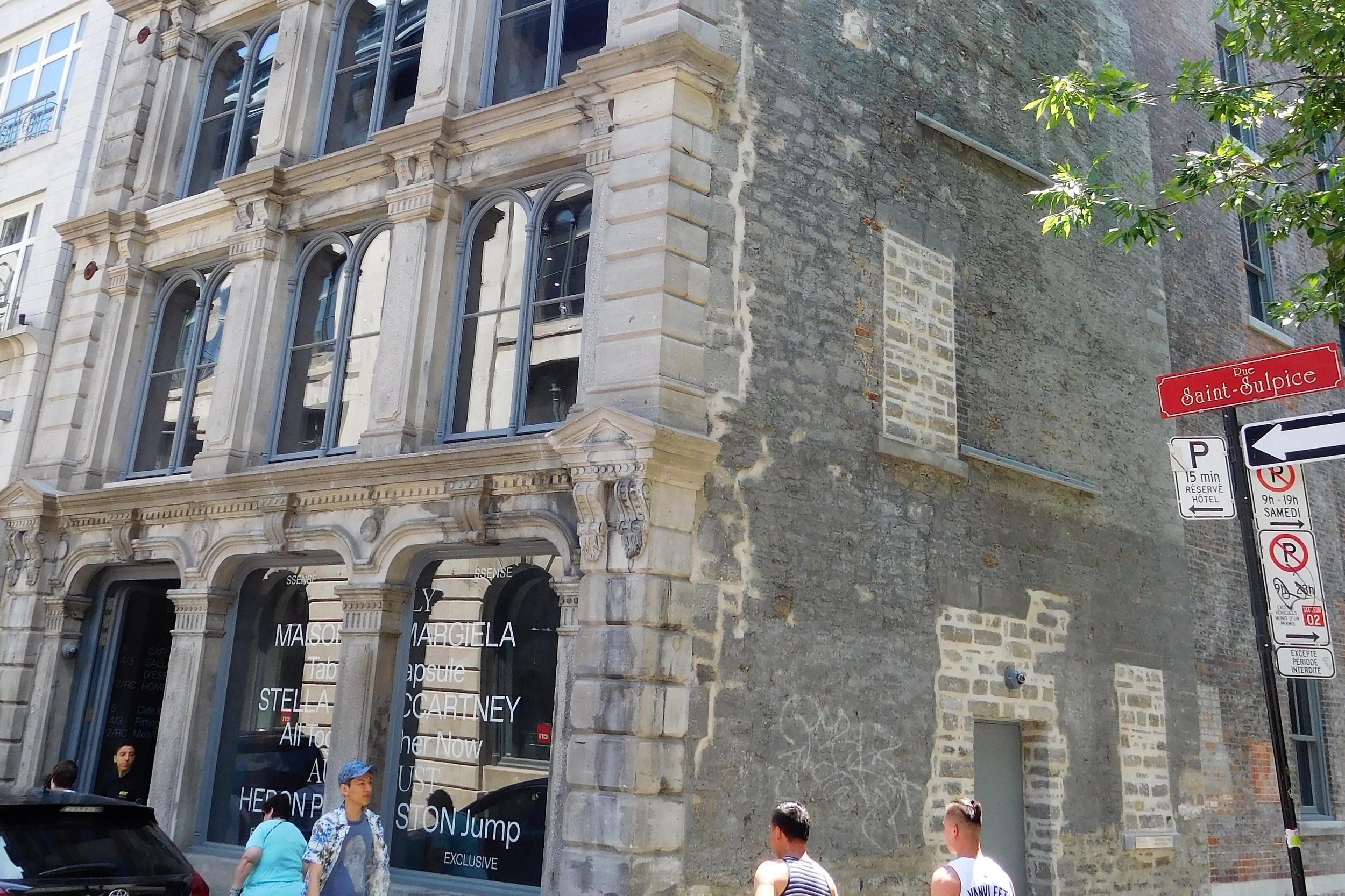
Reese Cooper and Gerrit Jacob say product images on Ssense misrepresented their garments. The retailer has accepted that some pictures fell short. It has not said that AI caused the errors.
Designers including Reese Cooper and Gerrit Jacob have called out the luxury retailer Ssense over product imagery that, they say, did not match the clothes customers were being offered. The complaints, reported by Vogue on 24 November 2026, cover distorted construction details and inaccurate branding on garments that were real, and for sale.
That is a different problem from a viral fake of a celebrity in a jacket they never wore. In this case, the clothes exist. The images, the designers argue, did not.
What the designers found
Cooper, founder of Reese Cooper and RC Outdoor Supply, said he noticed the inaccuracies while browsing the site himself. He had not been consulted about the imagery, which he said showed his brand’s trademarked hook at twice its actual size. “There’s a lot of sewing and design detail inaccuracies but the important issue is misrepresenting my trademarks. Our hook is a major part of our branding, and of course all of the logos,” he told Vogue.
His first reaction, he said, was disappointment and frustration. Trademarks take time and money to protect, on top of the work of designing the clothes.
Fashion commentator Odunayo Ojo pointed to missing design details, and to Gerrit Jacob trousers with an invented waistband, extra seams and altered lettering. “AI pulls everything toward an average, but design lives in the details that depart from that average,” Ojo said. “Generative models are built to make something that looks plausible, not something that’s precise. Plausible is fine for a moodboard. On a product page, plausible is misrepresentation.”
What Ssense has said
A Ssense spokesperson told Vogue Business: “Accurate representation of our brand partners and their products is fundamental to Ssense. We recognize that some recent e-commerce imagery did not meet that standard, resulting in inaccuracies in product details. We take full accountability and have taken steps to resolve this issue with urgency.”
The company has not, however, explicitly confirmed that AI produced the inaccurate images. Vogue reports that local media said Ssense laid off its full-time photography and retouching teams over the summer as it invested in AI Virtual Try-On, known as VTON, in August, and has since strengthened quality controls. A spokesperson confirmed to Vogue Business that, “in preparation for the transition to Virtual Try-On (VTON), Ssense made organizational changes in June that affected certain roles within its visual content department.” Those are two facts in the same period. They should not be collapsed into a finding the retailer has not made.
Why the details matter
Cooper described the episode as brand damage. RC Outdoor Supply is a new company, he said, and its trademarks and reputation for design and quality are what it has. If customers start to doubt those things, trust in the brand as a whole is eroded.
There is a commercial bind as well. Retailers judge labels on sell-through. Inaccurate listings can put people off buying, or generate returns. Ssense has since removed the images, which Cooper said he was thankful for. It also removed the ability to buy those items, which he said will show up as low sales when this season’s figures are reviewed.
Ojo’s point is sharper in luxury, where small design decisions often explain the price. If the image erases those details, it erases the reason the garment costs what it costs. The problem, he argued, is not AI as a tool. It is using it for the one job where accuracy is the whole point.
Wholesale contracts have not necessarily caught up. Shermin Lakha, founder and managing attorney at Lvlup Legal, told Vogue that when a retailer’s AI imagery misrepresents a garment, the designer often absorbs the returns and the reputational harm, and that most of the wholesale agreements she reviews do not address AI-generated product imagery. That is worth taking to any retailer conversation, not only this one: who approves product images, what happens when they are wrong, and who bears the cost.
A wider trust problem
The Ssense complaints landed in a year when synthetic fashion images have become harder to spot. Vogue also describes AI-generated pictures of Nvidia chief executive Jensen Huang in an archival Saint Laurent jacket he had not worn, and earlier fakes of celebrities in fictional designer looks. Those cases are about images circulating online, not about a product page. The shared issue is trust. When a picture looks finished and official, people are ready to believe it.
Ojo argues that retailers should use human review against the physical garment, seek designer approval, and disclose AI alterations. “If what’s on the page isn’t a photograph of the real garment, they should say so,” he said. A small label costs nothing, he added. Finding out later is what causes scandals.
For independent designers, the useful questions are practical. If a multi-brand site lists your work, do you get to see the images before they go live? Does the contract mention generated or altered imagery at all? If something is wrong, can the listing be corrected without disappearing? Those questions sit in the same pile as other unfashionable but essential wholesale terms. They also sit next to a larger debate we have already covered: what AI changes in fashion work, and what it should not be allowed to blur.
Ssense says accurate representation is fundamental, and that it is fixing the problem. The designers’ complaint is that, on a product page, close enough is not accurate enough.
Sources: Amy O’Brien, Vogue, 24 November 2026, including comments from Reese Cooper, Odunayo Ojo, Shermin Lakha and a Ssense spokesperson.


