
For years, luxury’s growth story depended on people who did not shop it every week. They saved for a bag, stretched for a coat, or bought an entry-level piece because it felt like a step into a world they wanted to belong to. That group, often called aspirational shoppers, is now much harder for the big houses to hold.
The reason is not mysterious. Prices went up faster than many customers’ sense of what the clothes were worth. The question for independent labels is whether those shoppers will spend the money they still have on a smaller brand, or simply spend less on fashion.
How far luxury prices have moved
In January 2025, Vogue Business reported that the average US price of global luxury goods was up 61 percent compared with 2019, according to the retail intelligence firm EDITED. The same figure, a 61 percent rise in luxury prices between 2019 and 2025, appears in the Business of Fashion and McKinsey State of Fashion 2026 report. Vogue Business also surveyed almost 1,000 Vogue and GQ readers: 77 percent agreed that luxury fashion cost more than it had a year earlier, and 37 percent said they were shopping less for luxury than they had the year before.
That is not the same as saying luxury is finished. Plenty of customers can still pay, and some will. But the reports describe a clear squeeze on the shopper who used to be willing to reach. Business of Fashion has written that many of those customers, also dealing with inflation, are now “opting to spend their disposable income elsewhere.” A gap has opened under luxury, and a set of mid-market and contemporary labels has been moving into it.
What those shoppers are actually looking for
The opportunity is real, and it is also easy to misread. Aspirational customers are not looking for a cheap copy of a logo. They are looking for a purchase that still feels considered: better fabric, a shape they will wear more than once, and a price that does not insult their intelligence.

In BoF’s reporting on this shift, an independent retailer in Chicago described customers mixing contemporary ready-to-wear with a luxury bag, and talked about “reverse sticker shock”: a jacket that seemed expensive until the quality made the price look reasonable. The same piece, and the State of Fashion report, keep returning to two things shoppers still pay for: materials and construction, and a brand story that feels specific rather than corporate.
Independent labels already work in that register, or they should. You can name the mill, the fibre and the workshop. You can explain why a coat costs what it costs without theatrical language. That is a stronger position than it used to be, because the alternative, a luxury entry piece at a price that no longer feels entry-level, has become harder to justify.
Can a small label actually catch them?
Sometimes. Not automatically. A shopper leaving a luxury checkout is not, by default, arriving at yours. They have other options: mid-market chains, resale, renting, or not buying. To win that spend, a small label has to be clear about three things.
The price has to make sense on the garment, not only on the moodboard. If a jacket costs what it costs because of the cloth and the way it is made, say so in plain words. If it costs that because you are trying to stand next to a luxury house, the customer will notice. Pricing is a separate craft, and it is one you should finish before you shoot the campaign.
The product has to stand up to close inspection. Aspirational shoppers who have been buying luxury are used to handling clothes. Seams, linings, buttons and fabric weight are part of how they decide. That is an advantage for labels that already obsess over those details, and a problem for anyone hoping the lookbook will do all the work.
They have to be able to find you, and to trust the purchase. A distinctive collection that lives only on an unsearchable website will not catch a shopper who has just walked out of a store. Coverage, a clear press kit, and stockists who will actually explain the clothes still matter. Paying a celebrity to wear the work is a different, and often expensive, bet; we looked at that question separately in Should Small Labels Pay Celebrities to Wear Their Clothes?.
What not to do with the gap
The wrong response is to inflate your prices because luxury did, or to dress a simple collection in the language of exclusivity. Shoppers have become more sceptical of that move, not less. The State of Fashion report notes that even as customers grow more price-conscious, around a third are still willing to spend more when a product is well made and they feel the brand is giving them a reason.
The more useful response is unglamorous. Hold your quality. Explain it. Offer a range of prices if you can, so someone can enter without buying the most expensive piece first. If you sell through shops, help those stockists tell the same story you would tell yourself. If you sell direct, make the checkout and the returns policy as calm as the clothing. For a wider view of how to set up the business behind that, see How to Start a Fashion Brand in 2027 and ready-to-ship versus made-to-order.
Aspirational shoppers are not a prize waiting to be claimed. They are people who have been asked to pay more for less novelty, and who are now more careful. Independent labels that can offer a clear reason to buy, at a price that feels honest, are in a better position than they have been for a long time. The ones that only borrow luxury’s tone will find those shoppers just as ready to walk away.
Sources: Vogue Business, BoF and McKinsey, State of Fashion 2026, BoF, A New Kind of Luxury Is Winning Back Aspirational Customers.
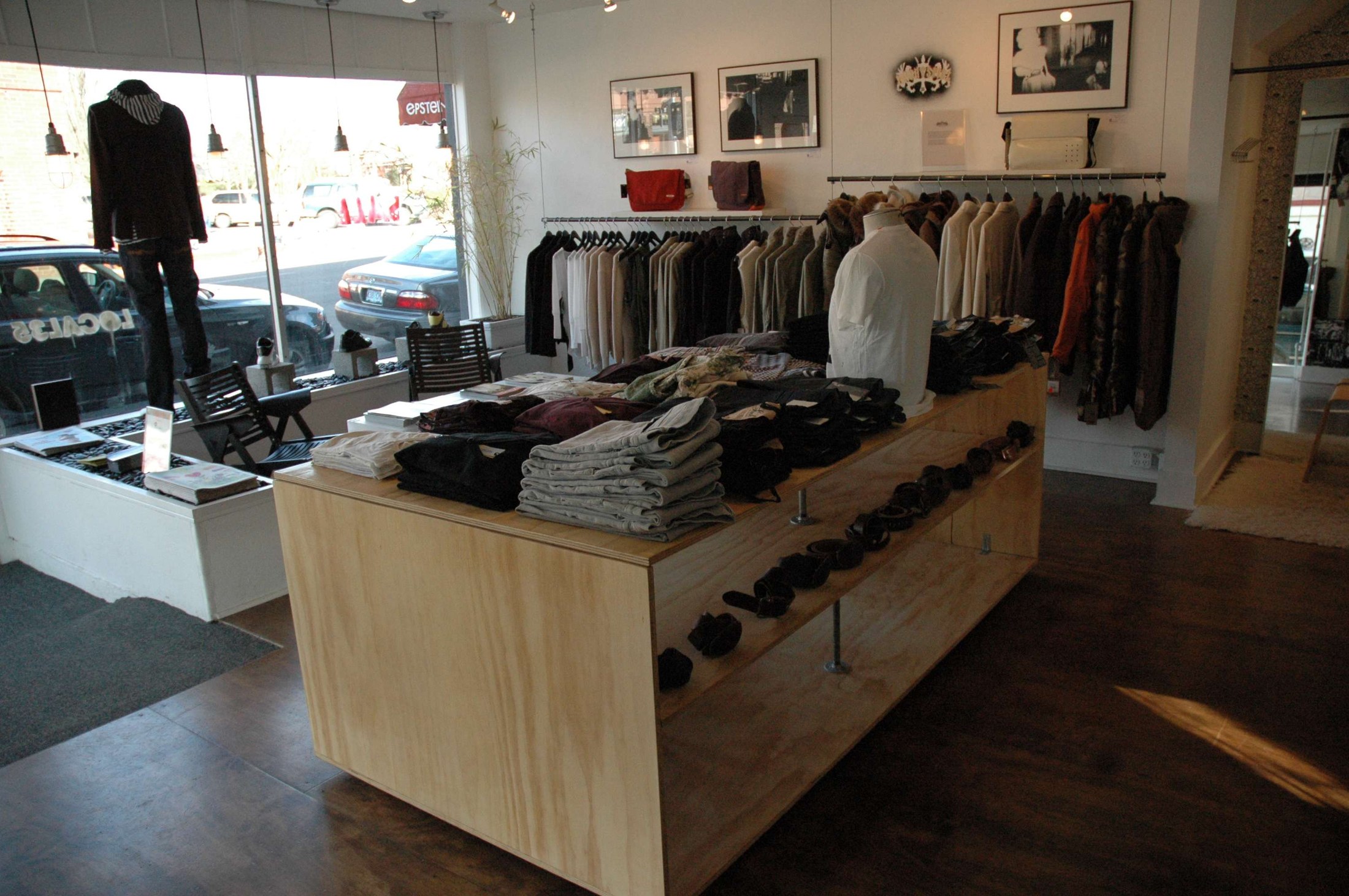
Cover: Interior of an independent clothing shop. Photo: Justin Machus, via Wikimedia Commons, public domain. Body: Interior of a fashion shop with clothing rails. Photo: Aurelie GEOFFROY, via Wikimedia Commons, licensed under CC BY-SA 4.0.


